Britain's Betting Evolution: Digital Platforms and Fresh Regulatory Moves Redefining Wagering Patterns
Written by Bianca Vogel · Nov 5, 2026

UK Gambling Commission Publishes Third Study Tracking Illegal Gambling Payments Through Bank Records
The UK Gambling Commission released findings from its latest review of payment data that covers 157.2 million bank transactions drawn from 38,000 consenting individuals between July 2018 and July 2026, and the numbers point to a narrow but distinct slice of activity connected to unlicensed operators. Researchers identified 3,426 payments tied to illegal gambling sites that involved 179 people in total, which amounted to 0.0022 percent of the overall transaction volume examined.Scope of the Data Collection
YouGov gathered the underlying records under consent protocols that allowed the Commission to examine patterns across an eight-year window ending in mid-2026, and this dataset forms the basis for the regulator’s third dedicated assessment of the illegal market. The approach follows methodology updates introduced in April, which refined how payment flows are flagged and categorized when they cross into unlicensed platforms.
Those who reviewed the records noted that the small share of flagged transactions still corresponded to elevated indicators of gambling-related harm when compared against activity on licensed sites, and the Commission presented these results as part of its ongoing monitoring effort rather than a broad market estimate.
Key Patterns Identified in the Transactions
Within the flagged payments, 45 percent of the 179 individuals scored 8 or higher on the Problem Gambling Severity Index, whereas the corresponding rate among those using only licensed operators stood at 6 percent. The contrast appears in the data as a clear difference in risk distribution, and the Commission recorded the figures without assigning causation beyond the observed correlation.
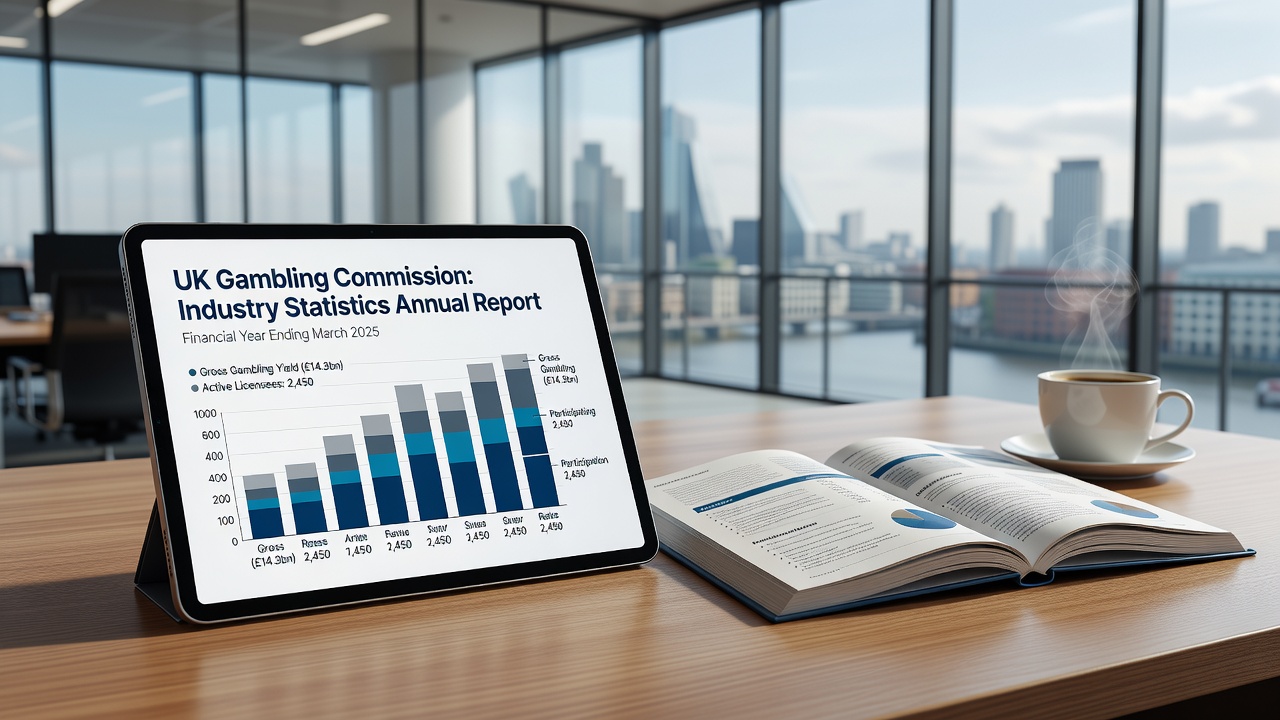
The 3,426 payments represent a minute fraction of the 157.2 million transactions reviewed, yet they clustered around the same 179 accounts across the full study period, and analysts at the Commission documented repeated interactions rather than isolated incidents. This marks the third time the regulator has applied similar transaction-screening techniques, and each iteration has used progressively larger consented datasets to refine detection parameters.
Context Within Ongoing Regulatory Work
The Commission has positioned the current release as an update within a sequence of studies that began with earlier, smaller-scale reviews and has since incorporated refined open-banking filters. Data from the latest round covers activity through July 2026, which places the findings in a timeframe that includes recent shifts in both licensed and unlicensed segments of the British market.
Those who examined the payment trails reported that the illegal operators involved accepted transactions that licensed platforms would have declined under current rules, and the Commission cross-referenced these flows against known lists of unlicensed domains. The resulting dataset remains limited to consenting participants, so the figures do not extrapolate to the full population of bank customers in the UK.
Problem Gambling Severity Index Comparisons
Researchers applied the Problem Gambling Severity Index uniformly across the sample, and the 45 percent rate among those who sent payments to illegal operators stood in marked contrast to the 6 percent rate recorded for the broader group engaged only with licensed sites. The Commission presented these percentages as direct outputs from the scoring protocol rather than interpretive claims, and the difference in distribution forms one of the central data points in the third study.
Because the overall volume of flagged transactions stayed at 0.0022 percent, the Commission emphasized that the absolute numbers remain small even while the associated risk scores appear elevated, and the report avoids projecting these patterns onto non-consenting populations.
Conclusion
The UK Gambling Commission’s third analysis of bank transaction data has now been made public, and it supplies concrete figures on 3,426 payments linked to illegal operators within a consented sample of 157.2 million records. The study documents higher Problem Gambling Severity Index scores among the 179 affected individuals compared with those using licensed operators, while confirming that the flagged activity represents a very small share of total transactions examined through July 2026. Observers can access the referenced analysis through the source report linked here, which contains the full methodology and dataset descriptions used in this round of monitoring.