When the Cards Meet the Screen: Blackjack Tactics Tailored for Handheld Devices on Regulated British Sites
Written by Xander Braun · Nov 4, 2026
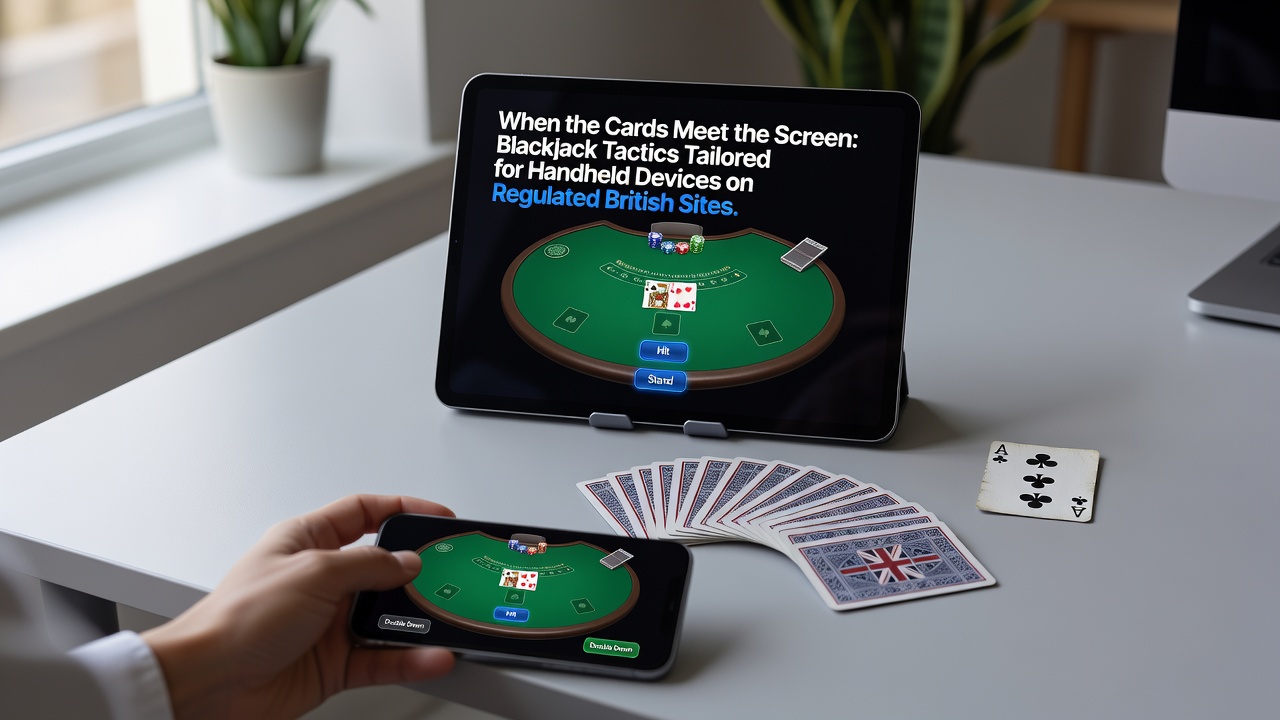
When the Cards Meet the Screen: Blackjack Tactics Tailored for Handheld Devices on Regulated British Sites
Blackjack strategies designed for handheld devices on regulated British sites incorporate touch-screen interfaces, variable screen sizes, and real-time data feeds that differ from desktop setups. Players access these platforms through apps or browsers that comply with licensing standards set by authorities overseeing online gambling in the United Kingdom. Data from industry reports shows mobile devices account for a growing share of table game activity, with operators optimizing interfaces for portrait and landscape modes.
Adapting Core Strategies to Mobile Constraints
Basic strategy charts translate to digital formats where players reference optimal decisions for hit, stand, double, or split actions based on dealer upcards and personal totals. Mobile versions often feature interactive overlays that highlight recommended moves without interrupting gameplay flow, and developers integrate these tools directly into the interface. Studies from the University of Nevada Las Vegas indicate that visual decision aids on smaller screens maintain accuracy rates comparable to printed charts when font sizes and contrast levels meet accessibility guidelines. Players who use these features report fewer deviations from standard strategy during extended sessions on smartphones and tablets.
Card counting adjustments account for the absence of physical decks and the use of random number generators or live streams. Software tracks running counts through manual input or automated prompts, yet latency on mobile networks can affect timing. Those who have examined portable counting systems note that simplified one-level counts perform more reliably under variable connection speeds than multi-level approaches.
Live Dealer Integration and Interface Adjustments
Regulated British sites stream live blackjack from studios equipped with multiple camera angles optimized for handheld viewing. Touch controls replace physical chips and cards, with bet placement zones enlarged to reduce mis-taps during rapid rounds. Research published by the Canadian Institute for Gaming Research found that players on tablets experience decision times similar to land-based tables when interfaces include haptic feedback for confirmations. Split-second choices in live environments benefit from pre-set bet amounts and quick-deal buttons that minimize menu navigation.
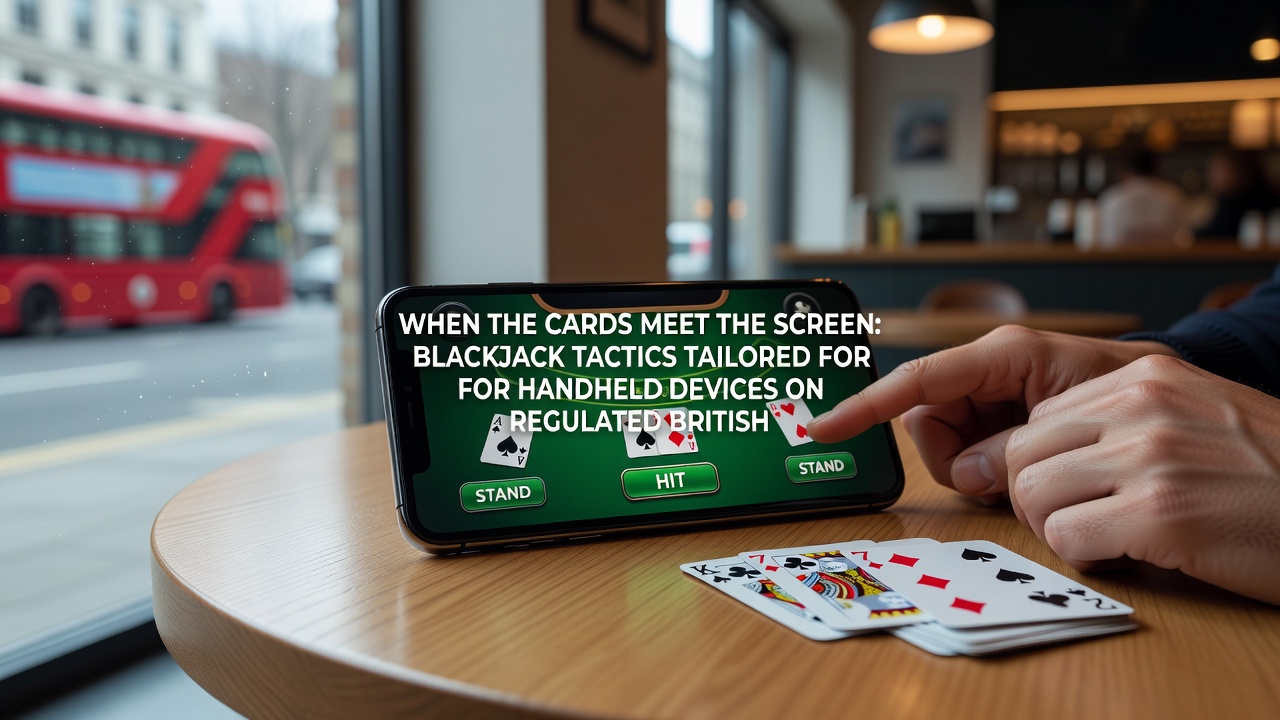
Multi-hand play on larger tablets allows simultaneous management of separate positions while single-hand focus suits smaller phones. Observers note that portrait orientation supports vertical scrolling through game history, whereas landscape mode expands the table view for better card tracking. Connection stability remains a factor, with sites providing low-bandwidth modes that preserve essential visual information during periods of reduced network performance.
Bankroll Tools and Session Management Features
Mobile applications include built-in calculators that apply percentage-based bankroll allocation rules across devices. These tools sync with account balances to display remaining session limits in real time. Figures from the European Gaming and Betting Association reveal that integrated loss-limit reminders appear more frequently on handheld platforms than on desktop versions, aligning with operator obligations under licensing conditions. Players set deposit caps or time alerts through secure account portals that require two-factor authentication before changes take effect.
November 2026 brings updated reporting requirements for operators, including enhanced mobile analytics that track average session durations and device-specific play patterns. These metrics help refine interface designs without altering core game mathematics.
Regulatory Compliance and Security Measures
Operators licensed in Britain must encrypt all data transmissions between handheld devices and servers, using protocols that exceed minimum standards for financial transactions. Independent testing agencies verify random number generators and live stream integrity before deployment. External audits confirm that mobile-specific features such as auto-hold buttons and strategy prompts do not influence game outcomes. Links to broader industry standards appear in site documentation, directing users to resources from organizations like the International Association of Gaming Regulators for cross-jurisdictional comparisons.
Device compatibility lists published by operators detail supported operating systems and minimum hardware specifications. Updates to these lists occur regularly as new smartphone models enter the market, ensuring continued access for users who upgrade hardware.
Conclusion
Handheld blackjack tactics on regulated British sites combine traditional decision frameworks with mobile-optimized tools for counting, betting, and session control. Data from multiple research bodies shows that interface adaptations preserve strategic integrity across screen sizes while meeting licensing criteria. Players gain access to features that support informed choices within secure environments, and ongoing technological refinements continue to shape how these games function on portable devices.